
History and stories of Maratea
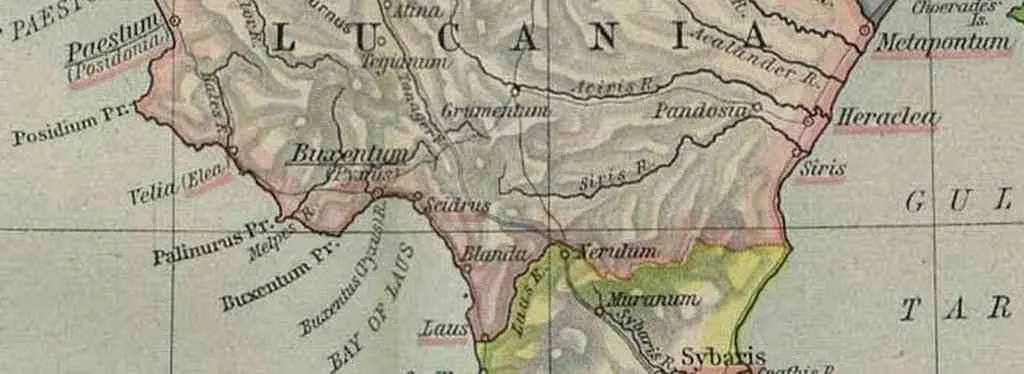
From the beginning until today - the name
Legends — or rather, stories passed down through generations — offer many explanations for the origins of Maratea. According to one of these tales, the town’s beginnings…
Prehistory and Protohistory
The earliest evidence of human settlement in the Maratea area comes from the caves of Fiumicello, where cave explorations uncovered stone tools, including scrapers and…
the Roman era
At the beginning of the 3rd century BC, the settlement on Capo la Timpa was abandoned for good. The subsequent pattern of settlement is not known with certainty, but archaeologists believe that during the…
medieval Maratea
After sharing the fate of the Western Roman Empire and later coming under Byzantine rule, the coastal communities of southern Italy were forced during the Middle Ages to abandon…
'500 and '600 in MARATEA
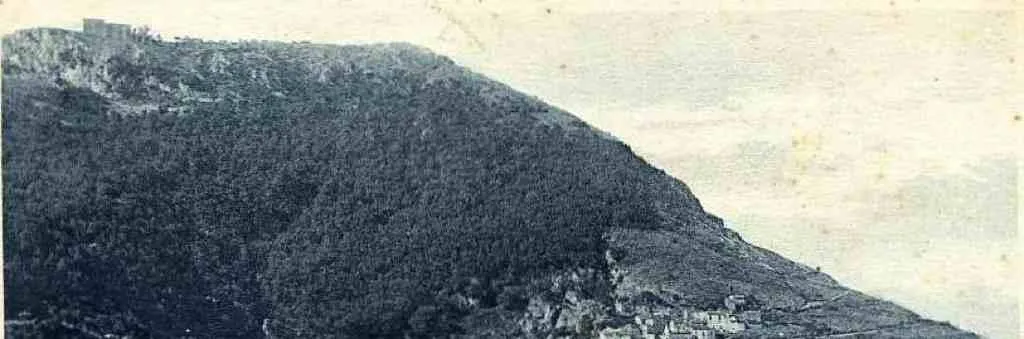
The people of Maratea always defended their town’s freedoms and privileges. When Count Ettore Carafa of Policastro purchased Maratea from the Crown in 1530, its citizens bought back their privileges…
the eighteenth century
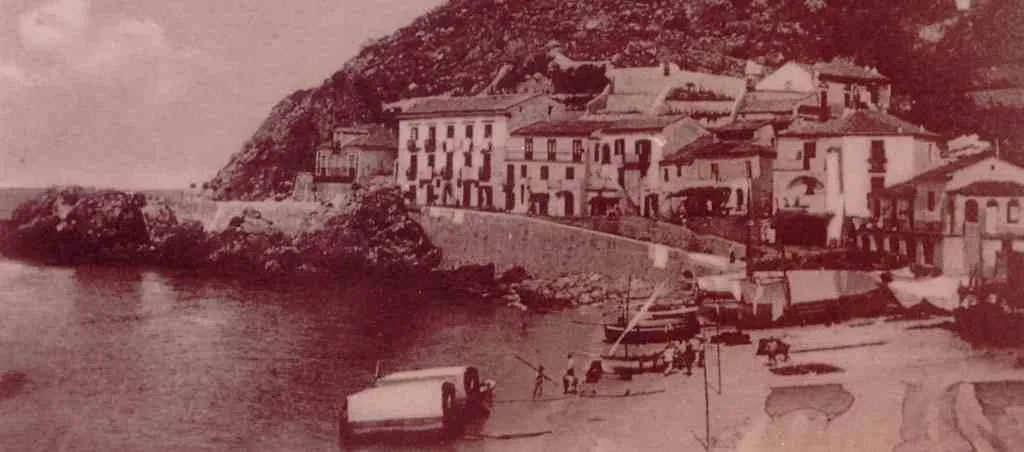
The conditions of well-being that developed over the centuries ensured, at the beginning of the eighteenth century, a privileged status for Maratea compared to the rest of the towns in Basilicata. The possible...
The resistance of Maratea and the '800
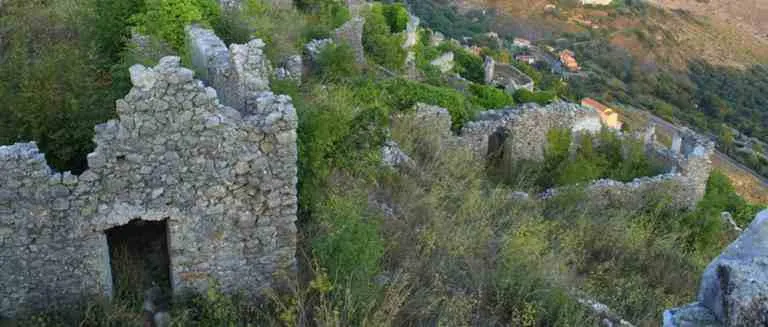
After Joseph Bonaparte was proclaimed king of Naples on March 30, 1806, bands of legitimist troops offered disorganized but...
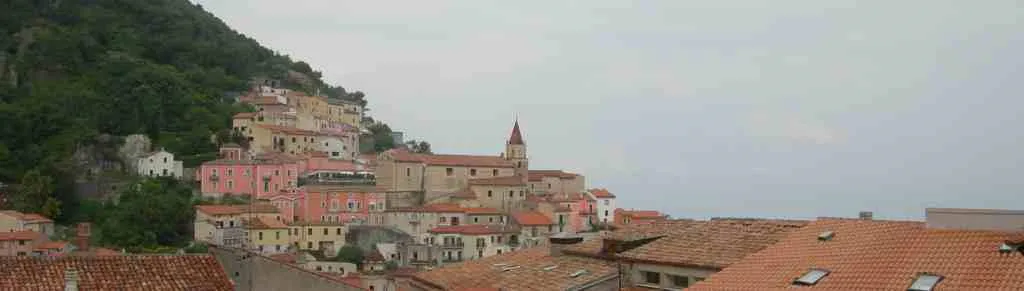
the last century
Although Maratea had managed to shield its economy from the widespread poverty affecting Basilicata in the late 19th century, by the early 20th century its inhabitants, too, were forced to emigrate. Their destinations…
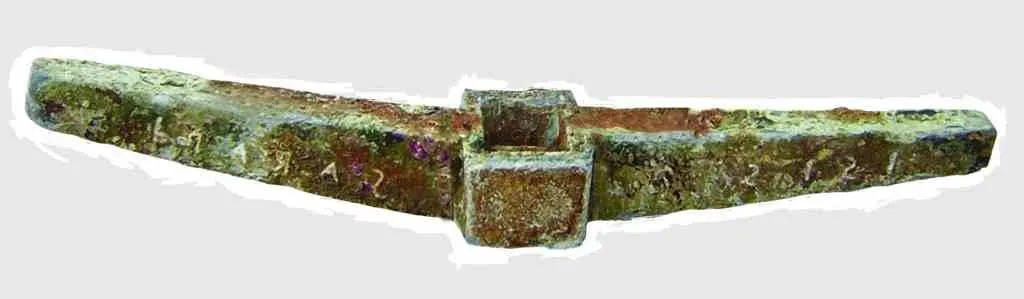
Archaeology in Maratea
The traces of archeology on the territory of Maratea are the mirror of the history of the site itself, especially those of the Greek age and the Romans. The ancient Maratea was a place of worship sinc