
Archaeology in Maratea
anchors and amphorae
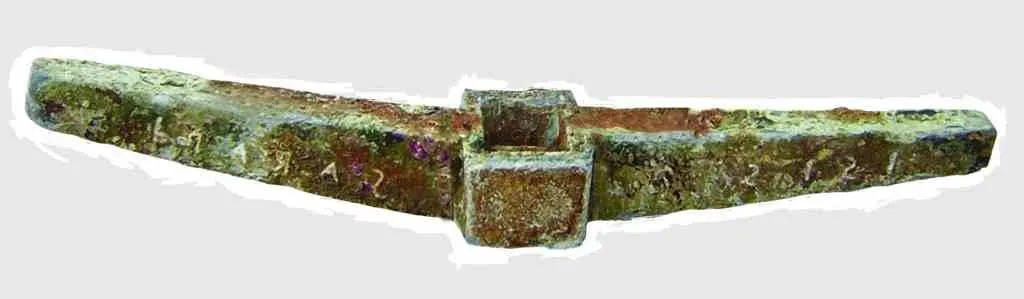
The traces of archeology on the territory of Maratea are the mirror of the history of the site itself, especially those of the Greek age and the Romans.
The ancient Maratea was even in Greek times a place of worship to which the coastal Greek cities such as Vibona, Laos, and Blanda referred, the latter according to some theories built at the mouth of the Noce river and located by historians on the hill of Palestro between Castrocucco and the village of Tortora, where today remains of ancient constructions and funerary furnishings are still coming to light.
Trade and Archaeology
The river Noce and its valley were the gateway through which the coastal inhabitants traded with the interior regions of the Lagonegrese the products that arrived on the coast of Maratea, such as the Eolian obsidian, amphorae, Ionian-style cups, black-figure vases, which have been found in Rivello and at Capo la Timpa above the Port of Maratea.
The Romans replaced the Greeks from the 2nd century B.C., and the importance of Maratea and its landings on the coast is evidenced by the important underwater sites present along the entire coastal stretch from Castrocucco to the Cape of Santavenere.
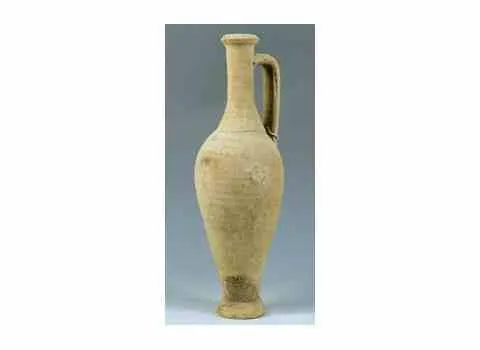
Numerous fragments of amphorae (Castrocucco and Secca della Giumenta), a shipwreck, and numerous marine objects such as stone or metal anchors have been found.
Archaeological research in the sea off Maratea
Starting from the 1960s, the first archaeological explorations began in the territory and sea around Maratea. It was some Piedmontese divers who carried out the first recoveries; the first anchor stock that was found in 1966 is now preserved in the Turin museum, while two others, recovered in the 1970s, are located in the Museum of the Sea in Venaria Reale, also in Turin.
After several other discoveries in the early 1980s, the Superintendency undertook a campaign to explore the seabeds around Santojanni Island, uncovering a genuine deposit of anchors and other objects, making it one of the most important deposits of Roman cargo ship relics in the Mediterranean.
small necropolises
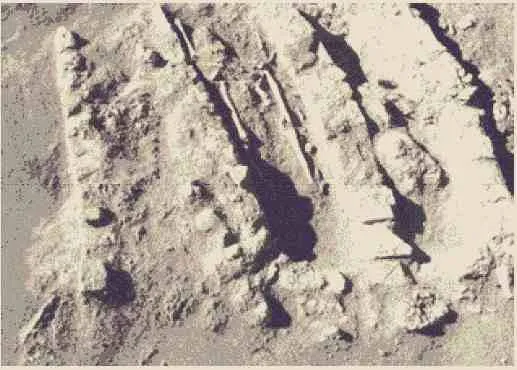
At Castrocucco, tombs from the 4th-5th century A.D. have also been identified, with fragments of cylindrical amphorae from the late empire; in Massa, however, a tomb with a coin and a fragmentary lamp.
Always in Castrocucco di Maratea, in the area of Capo la Secca next to the baronial palace Labanchi, there are the remains of a structure in two rooms very probably destined for the production of “garum”.
These archaeological artifacts are kept at the Museum of Palazzo De Lieto in the Historic Center of Maratea