
Libánis
The vegetation in the population of Maratea
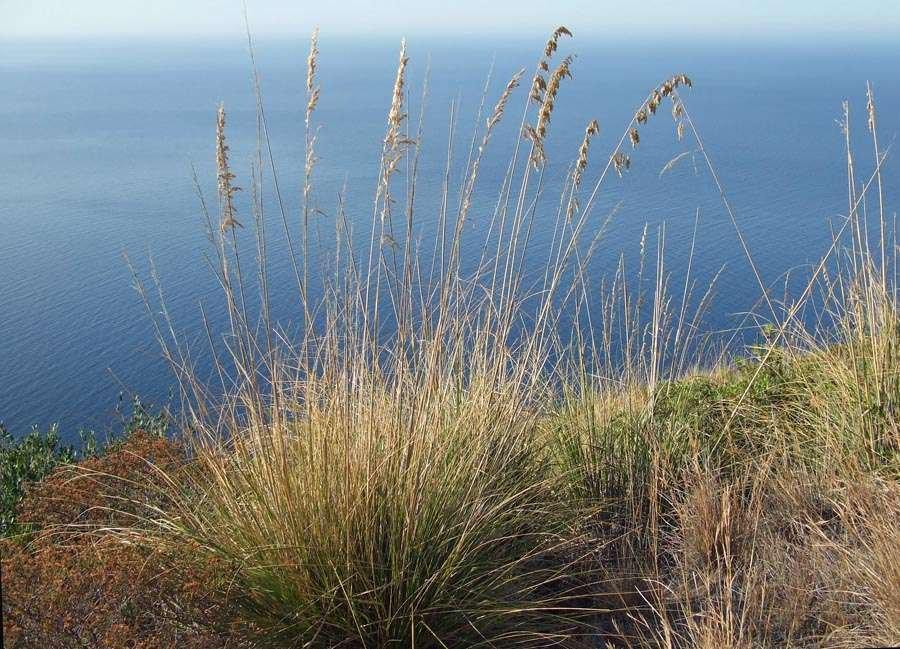
The term "libáno" is commonly used to describe a herb that grows along stony slopes exposed to the sun, typically in garrigue contexts, i.e. Mediterranean scrubland made up of low evergreen shrubby plants (rosemary, thyme, broom, dwarf palm, etc. .), among which abundant herbaceous species grow.
Its leaves, folded and tied, were traditionally used to make brooms used to clean the bottom of ovens. Scientifically identified as Ampelodesmus mauritanucus, this herbaceous plant is among the most showy of the Maratea flora, forming large isolated tufts with leathery, drooping leaves, which can reach lengths of about one and a half metres. During the flowering phase, unmistakable stems emerge from the center of the tuft, smooth and straight, similar to straws, which are used to create trays on which to dry the figs.
Origin of the term libáni
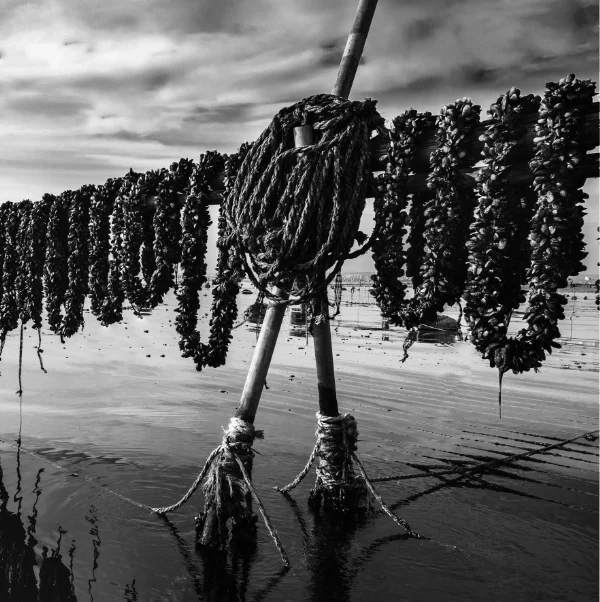
One of the most widespread activities in Maratea in the last century was precisely the weaving of this local grass for the production of marine ropes called "Libáni" or in the local language "Libbani". The etymology of the term "libáno" descends practically unchanged from Arabic "libāno", meaning "rope", thus indicating "the grass for ropes" par excellence.
This Arabic word presumably entered the Italian language in the centuries in which merchant sailors frequented the ports on the southern and eastern shores of the Mediterranean. Similarly, the terms "arsenal" and "darsena" (dock, in English) in maritime nomenclature derive from the Arabic "dārşinā'a", meaning "house of work" or "workshop".
Various uses of the libáni
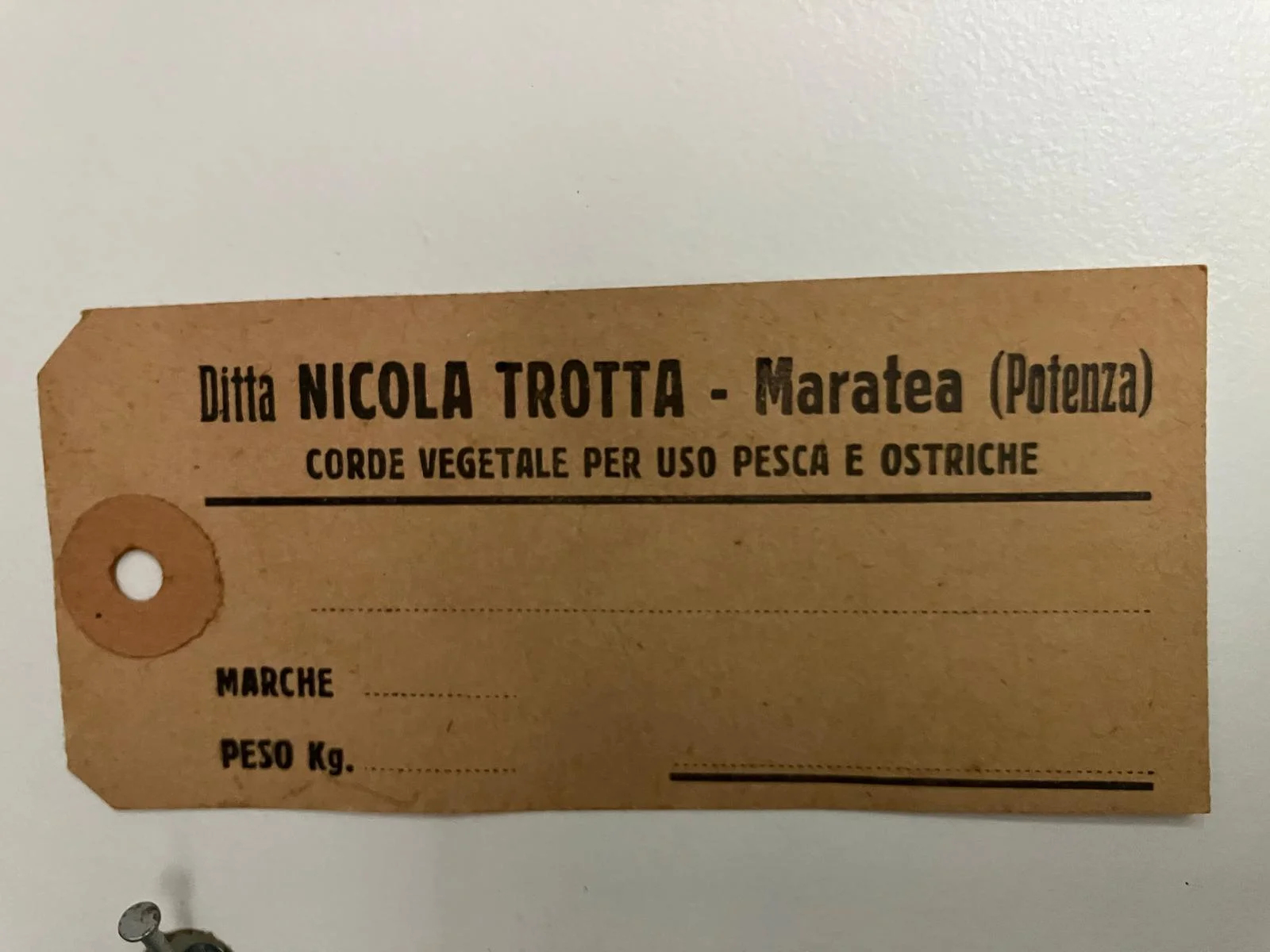
The "libbani" were produced in Maratea until the late 1970s. Their manufacture was an important economic activity for the local community, and the ropes were used for a variety of purposes, including mainly fishing but also agriculture, handicrafts, and construction. As for fishing, in addition to being used as rigging by local fishermen, the libbani were used for aquaculture, and in particular for mussels farming, mainly oysters and mussels. Mussel farming, a widespread practice along various Italian coasts, is based on the attachment of mussels to ropes called "libani," which are suspended in the water on special structures called "pergolati." This practice was particularly common in several areas, including Naples, Gaeta, the Mar Piccolo in Taranto, the Ganzirri lake (Messina), La Spezia, the Venetian lagoon, the Trieste coast, and Olbia. For this particular use, most of the libáno production from Maratea was transported to various farming areas by several commercial companies. In particular, the Trotta Company of Maratea had warehouses in La Spezia, Taranto, and Messina to supply the ropes produced by the women of Maratea to local mussel farmers (in photo: Shipping Label). This activity lasted until an important technological development, which occurred around the 1960s, contributed to the spread of mussel farming in Italy but simultaneously signaled the end of the use of the libbani. The innovation consisted in the introduction of tubular nets made of polypropylene to replace the traditional libani for the packaging of the ropes used in mussel farming.
How libáni are produced
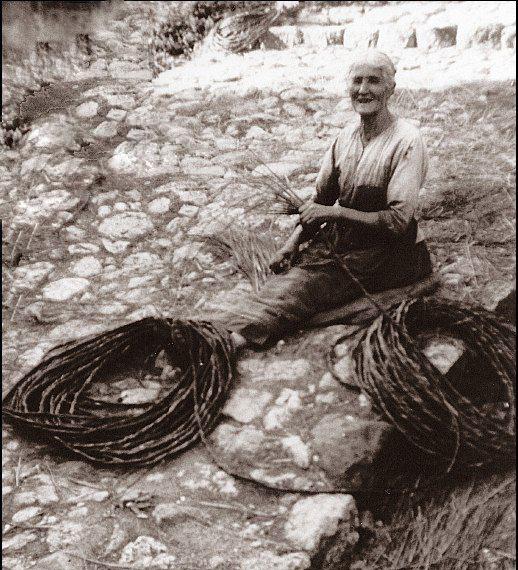
The processing was a laborious task requiring great skill. First, the women would scour the mountain slopes and coasts in search of "tagliamani," a term used locally to refer to the grass because of the extreme sharpness of its leaves, which had to be gathered with particular care.
The vegetable fibers were cleaned and broken into thin threads, then collected into bundles and left to soak for a certain period. Then the "mazzoccolatura" process began, the stage where the leaves are beaten with short wooden mallets.
In the end, the threads obtained were intertwined to produce ropes in a variety of sizes and thicknesses, depending on their use. The finer ropes were used for fishing, while the thicker ropes were used for agriculture or construction. Ropes were also used in the production of handicraft items such as baskets, carpets, and bags.
The photo (from calderano.it, the historical photo archive of Maratea) shows an elderly woman making libàni ropes in the 1960s.
The libáni today in Maratea
The production of libbani in Maratea, which disappeared in the 1970s due to competition from cheaper synthetic materials, has seen a renewed interest in recent years for the recovery of this ancient tradition.
In 2019, as part of Matera European Capital of Culture, the Ri-Corda project was launched, which aimed to recover the production of libbani in Maratea. The project involved a group of local community women who learned the traditional technique of producing libbani.
The Ri-Corda project was a significant success, leading to the creation of the New Mediterranean Libbaneria, a community social enterprise that deals with the production and marketing of libbani.
The New Mediterranean Libbaneria offers a variety of products made with libbani, including ropes, baskets, carpets, and bags. The products are made with high-quality materials and traditional techniques and are appreciated by an ever-growing public.
The rediscovery of libbani in Maratea is an example of how traditional craftsmanship can be valued and made competitive in the modern market. Libbani are a high-quality product with a strong identity rooted in the territory. Their production contributes to the valorization of the cultural and environmental heritage of Maratea.
edited by Jean Marout