
Fuoco grande (GREAT FIRE) C. Pavese Maratea
" BIG FIRE "
by Cesare Pavese and Bianca Garufi
edited by Mariarosa Masoero
Turin , Einaudi 2003 XLVI-80 pages
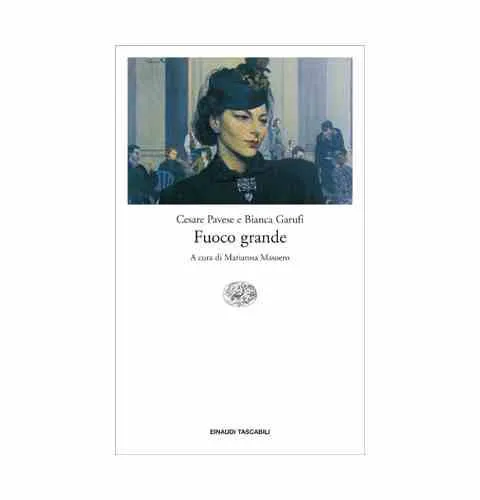
The unfinished
The novel “Fuoco grande”, written in alternating chapters by Cesare Pavese and Bianca Garufi in the early months of 1946 and left unfinished at its eleventh chapter, was discovered among Pavese’s papers after his death.
The first edition was published by Einaudi in 1959 at Italo Calvino’s instigation.
Pavese’s chosen title was “Viaggio nel sangue” (“Journey into the Blood”), later changed by the publisher to “Fuoco grande” (“Great Fire”). The title draws on a phrase used by the servant Catina, a Sicilian-Calabrian expression describing difficult situations.
The chapters alternate between the perspectives of Giovanni and Silvia, the two protagonists of a bleak and harrowing story set largely in Maratea, Silvia’s hometown.
The plot
Silvia, a young woman who now lives and works in the city, receives a telegram and must leave suddenly for her hometown, Maratea.
On the journey, she is accompanied by Giovanni, with whom she has a relationship.
It will be a journey into a deep South, tied to ancestral customs and a backward mentality, that will bring Silvia to retrace her dark past and Giovanni to discover a devastating family secret, carefully kept hidden by Silvia herself.
The official reason for Silvia's return home is the serious illness and then the death of Giustino, a thirteen-year-old boy believed by all to be her half-brother, born from her mother's second marriage to the lawyer, a local notable.
In reality, Giustino is Silvia's son and her stepfather's, conceived when she was only thirteen and then taken away from her by her mother.
The girl left the town immediately after the event, went through other violences and other stories, and now Giovanni will gradually discover this dark family reality, a real secret that has radically changed Silvia's life and character.
the AUTHOR
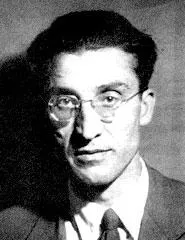
Cesare Pavese (Santo Stefano Belbo 1908- Turin 1950) Italian writer.
He complemented his activities as a novelist and poet with those of an essayist and translator, and was one of the founders of the Einaudi publishing house.
First director of the magazine Culture and a frequent translator of American authors, he was then the soul of the Einaudi publishing house in its first 17 years of history, both as editor and as an author.
Tutte le sue opere sono state pubblicate da Einaudi e vengono continuamente ristampate.
Cesare Pavese: Place, Memory and the Need to Belong
In Cesare Pavese’s books, places carry particular weight: they hold what people remember, seek or would rather forget. A hillside, a city street or a village left behind becomes part of his characters’ inner lives. This relationship between landscape and emotion helped Pavese establish a distinctive voice in 20th-century Italian literature.
Born in Santo Stefano Belbo on September 9, 1908, he spent most of his life in Turin. The Langhe of his childhood and the city of his formation remained the two poles of his writing: on one side, rural life, the seasons and memories; on the other, work, encounters and the uncertainties of modern society.
Poeta e narratore, fu anche traduttore e una figura centrale della casa editrice Einaudi. La passione per la letteratura americana, coltivata fin dagli studi universitari su Walt Whitman, lo portò a tradurre autori come Herman Melville e a contribuire alla loro conoscenza in Italia. Il suo lavoro sui libri degli altri accompagnò costantemente la costruzione della propria opera.
In 1935 he was arrested and sentenced to internal exile by the fascist regime. He spent several months in Brancaleone, in Calabria before returning to Turin in 1936. The experience of being far from home became part of a reflection that would run through much of his writing: the desire to participate in the lives of others and, at the same time, the difficulty of feeling fully part of a community.
Da Lavorare stanca a Paesi tuoi, da La casa in collina ai Dialoghi con Leucò, Pavese esplorò questi interrogativi attraverso forme diverse, accostando vicende quotidiane, memoria personale e mito. In La luna e i falò, pubblicato nel 1950, il ritorno al paese diventa un confronto con il tempo trascorso e con un mondo che non può essere ritrovato intatto.
The Literary Connection with Maratea
Alongside the Piedmont landscapes, in his narrative, there is also Maratea, where most of Fuoco grande is set, written in 1946 with Bianca Garufi. The chapters alternate the voices of Giovanni and Silvia, offering two perspectives on a return marked by family relationships and secrets. Left unfinished, the novel was published posthumously in 1959: an experimental two-voiced work that ties Maratea to a particular page in Pavesian journey.
Nel 1950 Pavese vinse il Premio Strega con La bella estate. Morì suicida a Torino il 27 agosto dello stesso anno. Dopo la sua morte uscirono anche il diario Il mestiere di vivere e la raccolta poetica Verrà la morte e avrà i tuoi occhi, che aggiunsero nuove prospettive alla conoscenza della sua scrittura e del suo mondo interiore.
.